
What is the best honey for diabetics?
Perhaps the most correct question here is whether a diabetic patient can eat honey at all or not?
In this detailed guide, let us share with you the most important findings of scientific studies on the use of honey for diabetics.
So if you need some reliable medical information let us share this information with you in this guide in detail.
Now let's talk frankly...
Can a diabetic eat honey?
In one study that was conducted on a group of diabetics for 8 weeks, the participants were divided into two groups... a group that consumed honey daily and another group that did not.
The results of this study were an improvement in the rate of fat metabolism and an improvement in blood cholesterol and triglycerides, but medical tests indicated an increase in both HBA1C and HBA1C.
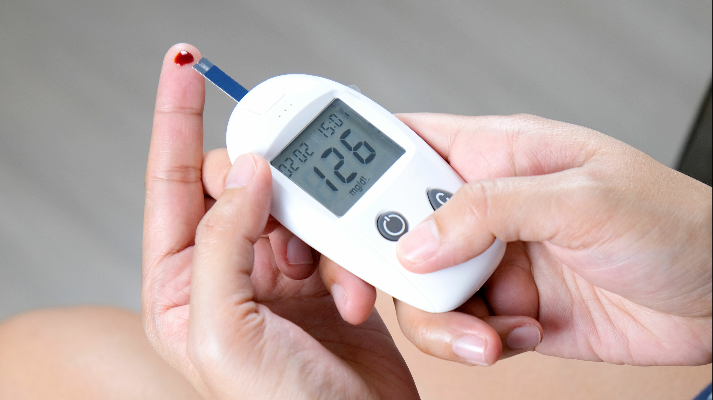
Therefore, honey can certainly be consumed by a diabetic patient, but it must be treated like table sugar and consumed very carefully while monitoring your blood sugar readings.
Read more about: Best Honey for Chest and Phlegm (Comprehensive Scientific Guide)
Does honey affect blood sugar levels?
According to the US Department of Agriculture, every 100 grams of honey contains approximately 82 grams of carbohydrates, represented by glucose and fructose.
But what concerns us here is glucose because it is the component that fluctuates in the blood and needs insulin to get it into the cells.
Every 100 grams of honey contains approximately 40 grams of glucose, which is not a small amount.
So the answer is definitely yes, honey affects the blood sugar level and causes it to rise.
But because it has a lower glycemic index , its effect may be somewhat less than other sweeteners (table sugar).
The best honey for diabetics
In general we have 3 types of honey:
- Raw: without any processing.
- Processed: Some improvement or pasteurization processes are performed on it in order to eliminate some types of bacteria.
- Adulterated: Here you will find many adulteration methods that we have already talked about, but in general here some external sugars or water can be added to the honey in order to reduce the cost.
The best honey for diabetics, and anyone, is raw, unprocessed honey.
The fewer stages of honey production, the better in order to preserve the components that honey contains and the benefits it provides.
There are hundreds of brands in the market that sell honey. Choose only those brands that are reliable and have undergone quality tests for their products and buy from them.
Note: The source of honey, let's say sidr honey, black forest honey, clover honey, etc., all of them have an approximately equal effect on the blood sugar level. Therefore, we cannot nominate one honey and beware of the other. Even if everyone recommends Manuka honey.
Read more about: Benefits of honey for the stomach (according to scientific research)
Benefits of eating honey for diabetics
In research examining the effect of honey on type 2 diabetes, honey was pointed out as a potential treatment with a promising future.
The study indicated the role of honey as an ingredient in improving some complications of type 2 diabetes.
But the research ultimately indicated that we need more long-term studies in order to judge with certainty the benefits of eating honey for diabetics.
Now let us learn about the most important benefits that honey offers:
1- It may increase insulin secretion
Once glucose enters the bloodstream, the pancreas is stimulated to secrete the hormone insulin, which helps bring this glucose into the cells to benefit from it.
Therefore, it is logical that honey, which contains approximately half of it glucose, causes an increase in insulin levels.
But we will certainly not find increased insulin levels in type 1 diabetics who already suffer from a lack of insulin secretion.
In a previous study, this effect of honey was found on patients with type 2 diabetes , who suffer from a lack of cell sensitivity to insulin and have no problem with insulin secretion.
2- It may increase the rate of C-peptide
C-peptide is a protein resulting from the conversion of proinsulin into insulin.
This means that this protein is an indicator of insulin production by the body.
In a study of 80 people , 50 of whom already had type 1 diabetes, scientists found a significant increase in the amount of c-peptide after consuming honey.
In another study , the results indicated honey as one of the solutions that contribute to raising the rate of c-peptide when measured two hours after eating.
This is considered a preliminary indication of the role of honey in increasing insulin production in the body.
3- It may contribute to reducing cholesterol levels
In a review of approximately 7 studies conducted on approximately 370 people suffering from high levels of cholesterol and fats, it was found that consuming honey in small quantities may contribute to reducing the level of blood cholesterol and controlling glucose levels by a small percentage.
In another research compiled by a group of researchers at the University of Toronto, they shared some important results that suggest honey as a substance that helps reduce cholesterol and control blood sugar levels.
4- Rich in antioxidants
Antioxidants are one of the substances that protect cells from damage caused by attack by harmful molecules.
These harmful molecules are known as free radicals.
These molecules become large in number in the body as a result of the increase in sugar content in the body, which causes what is known as oxidative stress.
In this current situation, which is widespread among diabetics, the number of antioxidants in the body becomes insufficient to fight these harmful molecules.
These harmful molecules begin to attack the cells and cause a huge number of health problems.
These health problems range from:
- Heart disease.
- Kidney disease.
- Cancers of all kinds.
- Signs of aging.
- Alzheimer's, and other nervous system diseases.
Therefore, it is recommended to eat honey in small quantities for diabetics to obtain some of these antioxidants, which studies have found to actually protect against oxidative stress and its complications.
But again, you must determine the appropriate amount to take after talking to your doctor.
Do not forget to monitor your blood glucose level daily when eating honey so as not to cause it to rise significantly.
5- A good anti-inflammatory
Very few studies talk about this benefit, but nevertheless I will mention it to you.
Honey has some anti-inflammatory properties.
These properties may be a good benefit for diabetics, especially type 2.
Inflammation may lead to poor response of cells in all areas of the body to insulin.
This is a problem that type 2 diabetes patients already suffer from.
So...
Perhaps eating a very small spoonful of honey can help you increase the sensitivity of cells to insulin.
Now let's move on to find out...
Read more about: The best honey for chest and phlegm (a comprehensive scientific guide)
Does honey increase blood sugar slowly or quickly?
Honey still raises blood sugar, but the speed depends on the type of honey and its glycemic index (GI). For most people with diabetes or insulin resistance, this is an important factor when choosing the best honey for insulin resistance.
Honey generally increases blood sugar faster than expected
Although honey is natural, it contains:
- Fructose
- Glucose
Glucose enters the bloodstream quickly, so most common honey varieties cause a moderate to rapid rise in blood sugar — faster than some fruits but slower than white sugar.
Some honeys raise blood sugar more slowly
Certain types, especially darker or raw honeys, may have:
- more antioxidants
- higher fructose-to-glucose ratio
This can lead to a slightly slower blood sugar response. These options are often discussed when looking for the best honey for insulin resistance, but they must still be used cautiously.
Glycemic index matters
Typical honey GI values range from 45 to 70:
- Lower GI (45–55): raises blood sugar more slowly
- Higher GI (60–70): raises blood sugar more quickly
However, even low-GI honey can still impact glucose levels if consumed in large amounts.
People with diabetes must monitor carefully
Even if you choose the best honey for insulin resistance, honey should:
- be used in small amounts
- replace other sugars, not be added on top
- be paired with fiber or protein to slow absorption
Honey increases blood sugar moderately quickly, though some varieties affect glucose more gently. No honey is completely “safe” for diabetics, but certain types may be better tolerated when consumed in controlled portions.
Read more about: Does natural bee honey raise sugar?
What honey won't spike blood sugar?
No honey is completely free from affecting blood glucose, but some varieties cause a slower and smaller spike compared to regular honey. Understanding these differences helps people choose the best honey for insulin resistance while still managing their condition safely.
Low–Glycemic Index (GI) Honey
Honeys with a lower GI (45–55) raise blood sugar more slowly because they contain more fructose than glucose. Examples include:
- Acacia honey
- Clover honey (raw clover)
- Wildflower honey with higher fructose content
These varieties are often discussed by people looking for the best honey for insulin resistance because they lead to a more gradual rise in blood sugar — but they still must be consumed in small amounts.
Raw, Unprocessed Honey
Raw honey contains:
- natural enzymes
- trace minerals
- antioxidants
These may slightly improve how the body processes sugars and can result in a gentler glucose response compared to processed commercial honey. Still, raw honey does not eliminate blood sugar spikes, it only reduces them somewhat.
Manuka Honey (in controlled portions)
Manuka honey has a moderate GI and is absorbed more slowly than many commercial honeys due to its thicker texture and unique composition.
While not “spike-proof,” some people with insulin resistance find that small amounts of Manuka honey cause a more gradual rise in glucose. This is why some guides mention it when discussing the best honey for insulin resistance, but it’s still not risk-free.
Darker Honeys With Higher Antioxidants
Darker honey varieties (e.g., buckwheat honey) tend to:
- be richer in antioxidants
- have a slightly lower glycemic response
But once again, they will raise blood sugar — just less aggressively.
So at the end, even the mildest honey will raise blood glucose. There is no honey that will not spike blood sugar at all.
The safest approach for diabetics or people with insulin resistance is:
- Monitor portion size strictly
- Use honey only to replace other sugars, not in addition
- Pair honey with protein or fiber to reduce glucose spikes
- Check blood sugar response personally, as it varies by individual
What happens if I eat honey every day?
Eating honey daily can have both benefits and risks, especially for people with diabetes or insulin resistance. Even if you choose the best honey for insulin resistance, honey is still a form of sugar and must be consumed carefully.
You May Experience Steady Energy (But Also Sugar Spikes)
Honey contains natural sugars that provide quick energy. Daily use may improve:
- morning energy
- workout performance
- digestion
However, for diabetics or anyone with insulin resistance, daily honey can still raise blood sugar, sometimes more than expected. Choosing the best honey for insulin resistance (like low-GI honey) may help reduce—but not eliminate—spikes.
Your Digestion Might Improve
Honey has natural enzymes and prebiotics that may support gut health. Some people experience:
- better bowel movement regularity
- reduced bloating
- improved overall digestion
Raw honey is usually best for these benefits.
You May Boost Immunity Slightly
Raw honey contains antioxidants and antibacterial compounds. Eating it daily in small amounts may help strengthen the immune system, especially when paired with warm water, lemon, or ginger.
You Might Gain Weight if Portions Are Not Controlled
Honey is still a calorie-dense sugar. Eating it daily—especially more than 1–2 teaspoons—can lead to:
- weight gain
- higher triglycerides
- increased insulin resistance
Even the best honey for insulin resistance cannot prevent these effects if consumed in large amounts.
Your Blood Sugar Can Rise Over Time
Eating honey every day may gradually raise your overall glucose levels. This is especially true for:
- people with Type 2 diabetes
- prediabetic individuals
- those trying to manage insulin resistance
If you’re including honey in your diet daily, monitor your blood sugar to see how your body responds.
Your Oral Health Might Be Affected
Honey sticks to the teeth, and despite being natural, it can still contribute to:
- cavities
- enamel erosion
Daily users should rinse or brush afterward.
Eating honey every day can have health benefits, but it also carries risks, especially for those with blood sugar issues. Even if you choose the best honey for insulin resistance, moderation is essential.
Safe daily limit:
1 teaspoon per day for diabetics, only if approved by a healthcare provider.
Replace added sugar with honey; don’t add honey on top of sugar.
Related topic: Benefits of acacia honey (according to scientific evidence)
What is the best time to eat honey?
The best time to eat honey depends on your health goals — energy, digestion, sleep, or blood sugar control. For people with insulin resistance or diabetes, timing becomes even more important when choosing the best honey for insulin resistance and using it safely.
Morning on an Empty Stomach (for Energy & Digestion)
Many people prefer honey first thing in the morning because it:
- provides quick natural energy
- supports metabolism
- helps digestion when mixed with warm water
If you’re using the best honey for insulin resistance, taking a small amount in the morning may reduce the chance of blood sugar spikes compared to taking it at night. Still, diabetics should monitor their glucose response.
Before Exercise (for Natural Fuel)
Honey is a natural source of fast-absorbing carbohydrates. Having ½ to 1 teaspoon 20–30 minutes before a workout can:
- boost performance
- maintain energy
- prevent early fatigue
This timing works well because your muscles use up glucose during exercise, which may reduce the effect on blood sugar.
After Meals (to Reduce Sugar Spikes)
If you have insulin resistance, the safest time to eat honey is after a balanced meal—preferably one containing protein and fiber. This helps:
- slow down absorption
- minimize glucose spikes
- support better glycemic control
This is one of the smartest strategies when eating even the best honey for insulin resistance.
Before Bed (Only for Non-Diabetics)
Some people use honey before sleep to:
- support stable nighttime blood sugar
- improve melatonin production
- reduce nighttime cravings
However, this is not recommended for diabetics or those with insulin resistance, because the body is less sensitive to insulin at night, increasing the risk of high glucose levels.
When Avoiding Honey Is Best
You should not take honey:
- on an empty stomach if you have reactive hypoglycemia
- at night if you have diabetes
- multiple times a day (it raises total sugar intake)
No matter how healthy the honey is, even the best honey for insulin resistance must be used in controlled portions and at the right time.
So the best time to eat honey is:
- Morning or before workouts for energy
- After meals for better blood sugar control (ideal for insulin resistance)
Avoid it before bed if you have diabetes.
Choosing the Right Honey
Selecting the right type of honey is essential for anyone trying to manage blood sugar, especially those searching for the best honey for insulin resistance. Not all honeys are created equal — their glycemic index, nutrient content, and processing methods can greatly affect how your body responds.
Choose Low–Glycemic Index (GI) Honeys
Honeys with a lower GI (45–55) cause a more gradual rise in blood sugar. These are better choices for people with insulin resistance. Examples include:
- Acacia honey
- Wildflower honey with a higher fructose ratio
- Raw clover honey
These varieties are often considered closer to the best honey for insulin resistance because they are less likely to create rapid glucose spikes.
Look for Raw, Unprocessed Honey
Raw honey retains:
- natural enzymes
- antioxidants
- trace minerals
These nutrients may support metabolic health and improve how the body handles sugar. Raw honey typically has a slower absorption rate compared to heavily processed commercial honey.
Avoid Artificial or Highly Heated Honey
Commercial honey that is:
- heated at high temperatures
- blended with syrups
- filtered excessively
Tends to have a higher glycemic impact. It also loses nutrients that can help support insulin sensitivity.
If you’re looking for the best honey for insulin resistance, avoid:
- “honey blends”
- honey with corn syrup
- overly cheap brands with unclear origins
Consider Manuka Honey (in Small Portions)
Manuka honey has unique antibacterial and anti-inflammatory properties. While it’s not “diabetic honey,” its thicker texture and slower absorption make it easier on blood sugar when used sparingly.
It can be part of a controlled diet, but only as 1 teaspoon max at a time.
Darker Honeys May Offer More Benefits
Darker honey varieties (e.g., buckwheat honey) typically contain:
- more antioxidants
- slightly slower sugar absorption
These can support metabolic health more than lighter, commercial honey options.
Always Check the Label
To choose the safest honey:
- Look for terms like “raw,” “unfiltered,” “single-source,” or “low GI.”
- Choose trusted brands with transparency about origin and testing.
- Avoid products with added sugars or syrups.
This is essential when trying to choose the best honey for insulin resistance because purity directly affects your glucose response.
Bottom Line
The right honey for diabetics or people with insulin resistance should be:
- Raw
- Low GI
- Pure and unblended
- Consumed in small controlled amounts
No honey is completely “safe” for diabetics, but choosing the right type can significantly reduce blood sugar spikes and support better overall glucose management.
The dangers of eating honey for diabetics
All the risks or harms of honey for diabetics are its effect on the blood sugar level and causing it to increase.
Therefore, in order to avoid this problem, you must constantly monitor your blood sugar levels in order to determine the appropriate amount of honey to consume for you.
If your blood glucose levels are irregular, it is preferable to stop eating honey in the first place.
Another problem that you need to pay attention to is infant botulism, which we have already talked about.
This problem is entirely caused by babies under 12 months eating honey.
These babies do not have a mature digestive or immune system yet, so because raw honey contains some beneficial bacteria, these bacteria may cause this problem for infants.
Hence, you should avoid offering honey to infants.
Can sugar be replaced with honey?
In terms of the benefits and components that honey contains, including minerals, vitamins, enzymes, and natural sugars, honey is definitely a better alternative than sugar.
But honey still contains a large amount of sugars, which cause an increase in both blood glucose levels and also affect the percentage of cumulative sugar in the cell.
Therefore, if you decide to replace sugar with honey, you must constantly monitor your blood glucose levels in order to avoid a sudden increase in your glucose levels.
It is also important that you use small amounts that do not cause any problems for you.
In the end, do not always forget to consult your doctor and do periodic tests in order to reassure yourself.
Final tips
Still looking for the best honey for diabetics?
We hope you found the answer you were looking for...
Here our advice is to avoid eating honey in large quantities due to the high sugar content it contains.
But if you intend to eat honey, all you have to do is look for a reliable source from which you can buy raw honey that does not include any added sugars.
With this, we have finished this guide.
We hope you found what you were looking for.
If you have any questions, do not hesitate to contact us.